Hey there, awesome parent! So, you want to raise an independent kid—someone who can tie their own shoes, make their own decisions, and eventually, you know… move out and thrive. But here’s the tricky part: how do you encourage independence without making your child feel like you’re pushing them away?
Let’s unpack how to raise strong, independent kids while keeping that close, loving bond intact.
Independence Starts Small
You don’t need to hand your five-year-old the house keys and say, “Good luck!” Independence is a gradual process. It starts with the little things—letting them pick out their clothes (even if it’s socks with sandals), pouring their own cereal, or choosing between two snacks.
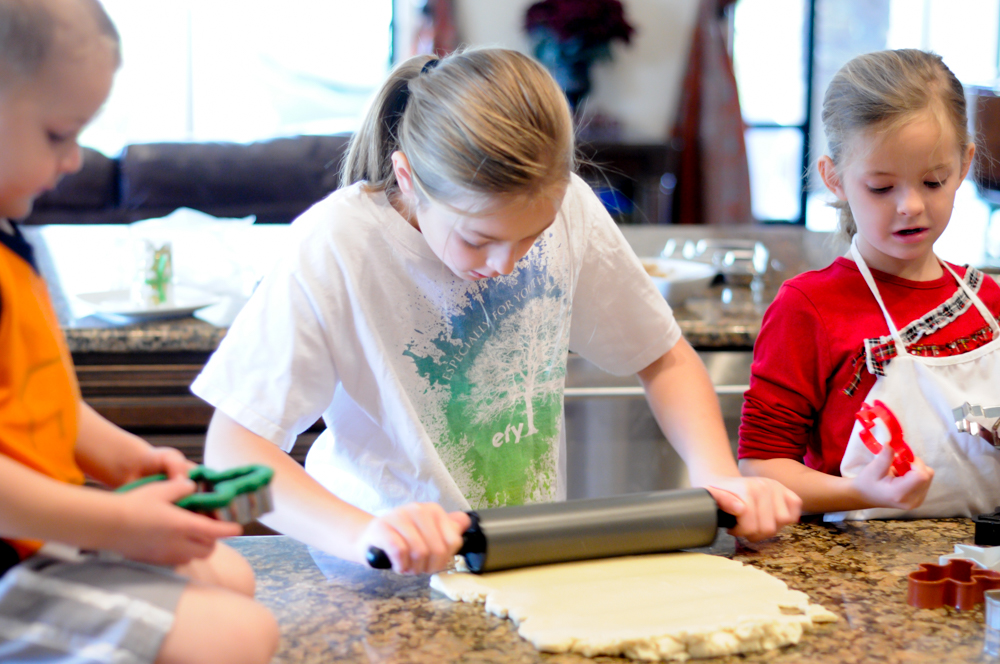
Every time your child makes a choice, they’re building confidence in their own abilities. It might take longer. It might be messier. But it’s worth it.
Let Them Struggle (Just a Little)
Here’s the thing: kids learn by doing… and sometimes by failing. It’s super tempting to jump in and fix everything when they’re frustrated—tying their shoes for them, finishing their homework, or solving their playground problems.
But when you do that, you’re sending a subtle message: “I don’t think you can do this.”
Instead, give them space to struggle a little. Offer encouragement: “I know this is tricky, but I believe you can figure it out.”
That moment when they finally get it? Pure magic.
Teach Problem-Solving Skills
Independent kids aren’t born knowing how to solve problems—they learn by watching you. Next time your child faces a challenge, resist the urge to give them the solution right away.
Instead, ask questions like:
- “What do you think you could try?”
- “What’s another way to do that?”
- “What would happen if…?”
These prompts help them develop critical thinking skills and show that you trust their ability to figure things out.
Celebrate Effort, Not Just Success
Independence isn’t about getting it right the first time—it’s about trying, learning, and growing. So when your kid tries something new, even if it doesn’t go perfectly, celebrate that effort.
“Wow! I’m so proud of how you kept trying!” is way more empowering than “Good job, you finally did it.”
This teaches them that it’s okay to make mistakes and that persistence is part of the process.
Respect Their Choices (Even the Silly Ones)
Here’s the hard part: respecting their choices… even when they’re a little wacky. Want to wear a superhero cape to the grocery store? Go for it.
Of course, there are times when you need to step in for safety or major life decisions. But when it comes to low-stakes choices, letting them have the final say builds their sense of independence and shows that their opinions matter.
Provide a Safe Base
Independence doesn’t mean cutting the cord completely. It means giving your child the confidence to explore, knowing that you’re always there when they need you.
Think of yourself as their safe base—they go out, try new things, sometimes fall down, but always know they can come back for comfort and support.

That emotional security is what makes real independence possible.
Model Independence Yourself
Your child is watching you—always. If they see you making decisions confidently, trying new things, and handling mistakes with grace, they’ll learn to do the same.
Talk about your own decision-making process out loud: “I’m not sure how to fix this, but I’m going to figure it out.” This normalizes uncertainty and shows them that independence doesn’t mean having all the answers—it means being willing to try.
Know When to Step Back
One of the hardest parts of parenting is knowing when to let go. But stepping back doesn’t mean abandoning your child. It means recognizing when they’re ready for more responsibility and giving them the opportunity to prove it.
Whether it’s letting them walk to a friend’s house, manage their own homework schedule, or make their own lunch, these moments help them grow.
It’s scary, for sure—but it’s also an incredible gift.
Stay Connected
Here’s the beautiful part: fostering independence doesn’t mean losing connection. In fact, when you show your child that you trust them, it often strengthens your bond.
Check in with them regularly. Ask how they’re feeling about the responsibilities they’re taking on. Let them know you’re always there to support them, no matter what.
Independence and closeness can coexist—you don’t have to choose one or the other.
Trust the Process
Raising an independent kid is a marathon, not a sprint. Some days they’ll cling to you like a koala. Other days they’ll insist they can do everything on their own.
That’s normal. The process of becoming independent is full of back-and-forth. Your job is to provide the right balance of freedom and support.
And remember—just because your child is becoming more independent doesn’t mean they need you any less. They’ll always need your love, your guidance, and your presence.
Final Thoughts: You’re Raising a Capable Human

At the end of the day, encouraging independence is about preparing your child for life. It’s about raising someone who can make decisions, handle challenges, and navigate the world with confidence.
You’re not pushing them away—you’re giving them wings. And trust me, when they soar, you’ll know you did your job right.
So go ahead—let them pour that cereal, pick out that crazy outfit, and make their own choices. You’ve got this. And so do they.
