Creativity isn’t just about painting pictures or writing stories—it’s about problem-solving, thinking outside the box, and exploring the world with curiosity. Encouraging creativity in children helps them develop critical thinking skills, emotional intelligence, and self-confidence.
In today’s structured, screen-filled world, creativity is more important than ever. As a parent or caregiver, you play a key role in nurturing your child’s creative abilities.
In this article, we’ll explore practical ways to encourage creativity at home, in school, and through everyday activities.
Why Creativity Matters for Children
Creativity supports a child’s development in many important ways:
- Problem-Solving: Creative thinking helps children find new solutions to challenges.
- Emotional Expression: Art, music, and storytelling allow kids to express feelings they might not yet have words for.
- Confidence: Trying new things builds self-esteem, especially when children are encouraged to explore without fear of making mistakes.
- Innovation: The ability to think creatively helps children prepare for the modern world, where flexibility and innovation are essential.
1. Provide Open-Ended Toys and Materials
Children’s creativity flourishes when they’re given toys and materials that don’t have a single correct use.
- Building blocks and LEGO
- Art supplies: Crayons, markers, glue, recycled materials
- Dolls and action figures for imaginative play
Avoid toys that do everything for the child (like battery-operated toys that only make noise). Open-ended materials invite kids to create their own worlds and stories.
2. Allow for Free Play Time
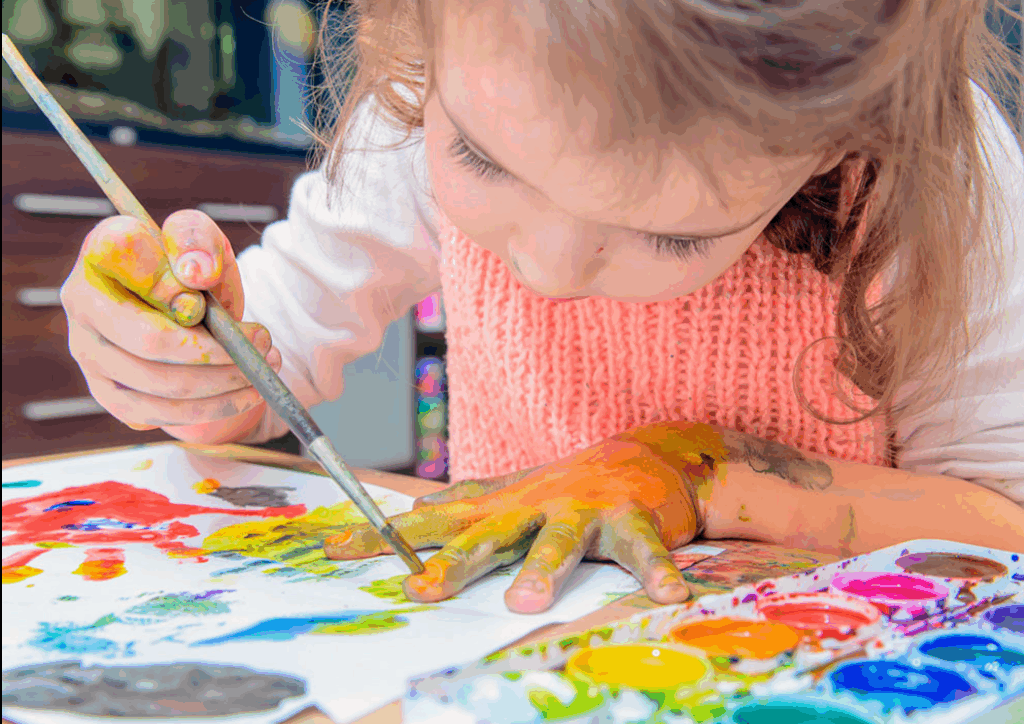
Busy schedules can limit a child’s opportunity for creativity. Free play is essential for imagination to grow.
- Unstructured play: Give your child time each day where they can choose what and how to play.
- Limit screen time: Too much time with screens can stifle imaginative play.
- Create a play-friendly space: A dedicated area with creative supplies and room to build or invent helps foster creative exploration.
Remember: boredom can actually spark creativity as children invent ways to entertain themselves.
3. Ask Open-Ended Questions
Help spark your child’s creative thinking by asking questions that don’t have right or wrong answers.
Examples:
- “What do you think would happen if dogs could talk?”
- “If you could invent a new holiday, what would it be like?”
- “What else could we build with these blocks?”
These questions encourage children to think imaginatively and express their unique ideas.
4. Celebrate the Process, Not Just the Product
Creative projects don’t always result in beautiful artwork or perfect stories—and that’s okay! Focus on celebrating the effort, not just the finished result.
- “I love how you used so many different colors in this drawing!”
- “You worked really hard on that fort—tell me about how you built it.”
Valuing the process encourages children to take creative risks without fear of judgment.
5. Introduce New Experiences
Exposure to new places, people, and ideas feeds creativity.
- Visit museums, parks, or cultural events.
- Try new types of art or crafts.
- Read a variety of books together, from fairy tales to science fiction.
The more experiences children have, the more material they have for their imagination.
6. Encourage Storytelling
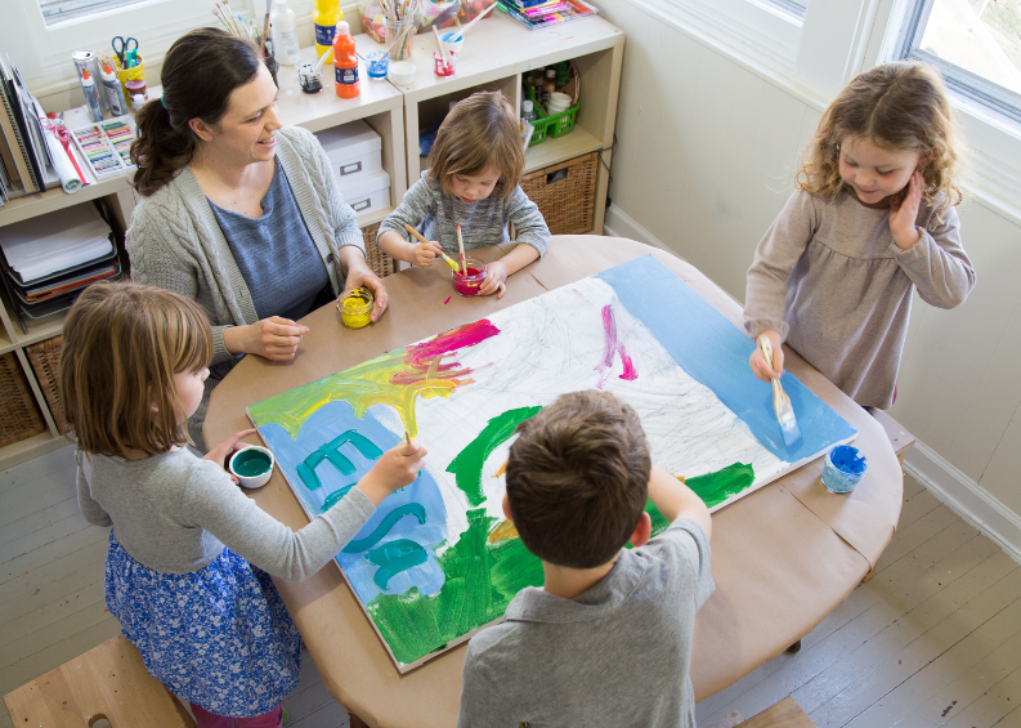
Storytelling isn’t just for bedtime—it’s a great way to boost creative thinking throughout the day.
- Make up stories together: Take turns adding sentences to a silly story.
- Act out stories with toys or puppets.
- Write down or record your child’s stories. They’ll love hearing or reading their own words later.
Creative storytelling builds language skills and sparks imaginative play.
7. Let Kids Take Creative Risks
Sometimes children are hesitant to try something new because they fear doing it “wrong.” Let your child know that creativity doesn’t have mistakes—just experiments.
- No “wrong” way to draw or build.
- Mistakes can lead to fun discoveries.
- Encourage trying again if something doesn’t work.
The freedom to experiment gives children permission to explore without judgment.
8. Limit Over-Scheduling
Many children today have packed schedules with school, sports, and extracurricular activities. Make sure to leave unscheduled time for free play and creative exploration.
Balance structured learning with time for imaginative thinking to create a healthy, well-rounded routine.
9. Create Together
When you engage in creative activities alongside your child, it sends a powerful message that creativity matters.
- Draw or paint with them.
- Build forts or LEGO structures together.
- Write silly poems or songs as a team.
Shared creativity strengthens your bond and shows that you value their ideas.
10. Show Enthusiasm for Their Ideas
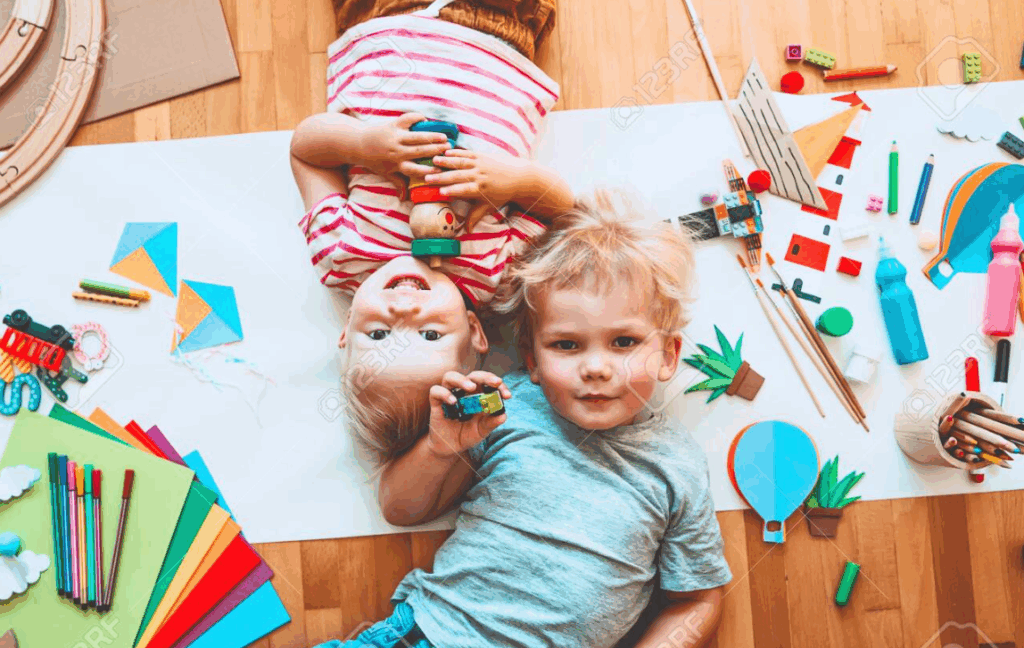
Even the wildest ideas deserve to be heard and encouraged. When your child brings up a creative thought, respond with curiosity and excitement.
- “That’s such a cool idea—tell me more about it!”
- “I never would have thought of that—what made you come up with it?”
Positive feedback boosts your child’s confidence and encourages future creative expression.
Final Thoughts: Raising Creative Thinkers for the Future
Creativity isn’t just about being artistic—it’s about curiosity, exploration, and the courage to try new things. By supporting your child’s creativity, you’re helping them develop skills they’ll use for the rest of their lives.
Be patient, offer support, and celebrate every imaginative idea, no matter how big or small. The creative spark you help nurture today might just be the beginning of tomorrow’s innovations.
