Spending quality time with your children doesn’t have to mean turning on the TV or giving them a tablet. Educational games offer a perfect balance of fun and learning, helping kids develop critical thinking, creativity, and communication skills—all while having a great time.
In this article, you’ll discover 10 educational games that are simple, engaging, and perfect to play at home. Whether you have toddlers or older kids, these ideas will keep them entertained and learning at the same time.
1. Word Treasure Hunt
Age: 4+
Skills Developed: Vocabulary, reading comprehension, problem-solving
Hide words written on pieces of paper around the house. Give your child clues or riddles to help them find each word. Once all the words are found, challenge them to make a sentence or short story using the words they collected.
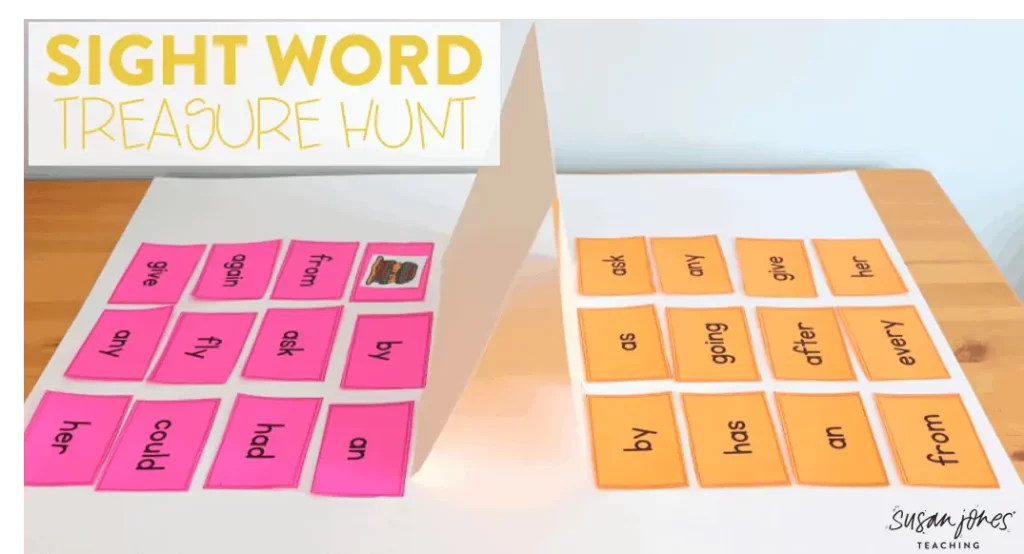
Variation: For younger children, use picture cards instead of words and encourage them to say the names of the pictures.
2. Math Bingo
Age: 5+
Skills Developed: Basic math, number recognition
Create bingo cards filled with numbers. Call out math problems (like “5 + 3”) and your child must find the correct answer on their bingo card. This game turns basic math into an exciting competition.

Variation: Adjust the difficulty of the math problems depending on your child’s age and math level.
3. Alphabet Scavenger Hunt
Age: 3+
Skills Developed: Alphabet recognition, phonics
Give your child a basket and challenge them to find items around the house that start with each letter of the alphabet. For example, “A for apple,” “B for book,” and so on.
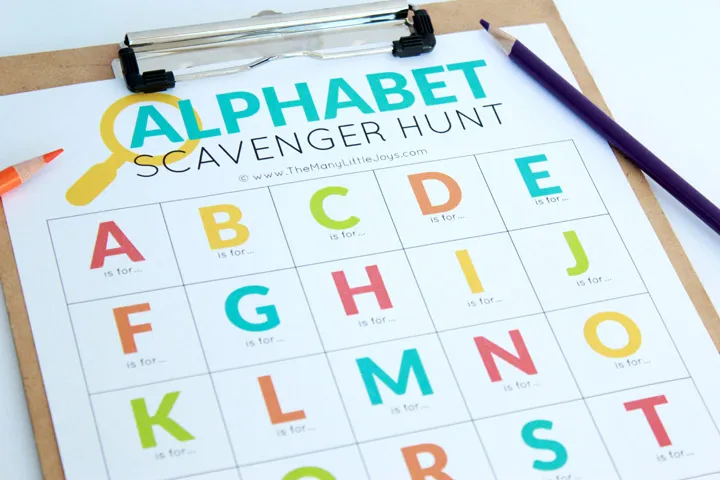
Variation: Turn it into a race if you have multiple kids!
4. Science Experiment Guess Game
Age: 6+
Skills Developed: Scientific thinking, hypothesis testing

Perform simple science experiments at home, such as mixing baking soda and vinegar. Before starting each experiment, ask your child to predict what they think will happen and why. Afterward, talk about the results and why things happened the way they did.
5. Story Cubes
Age: 4+
Skills Developed: Creativity, storytelling, language skills
Use dice with pictures or create your own “story cubes” by drawing images on small squares of paper. Roll or pick several cubes, and then ask your child to make up a story that includes all the items shown.
Variation: Everyone in the family can take turns adding one sentence at a time to build a group story.
6. Memory Tray Game
Age: 4+
Skills Developed: Memory, observation
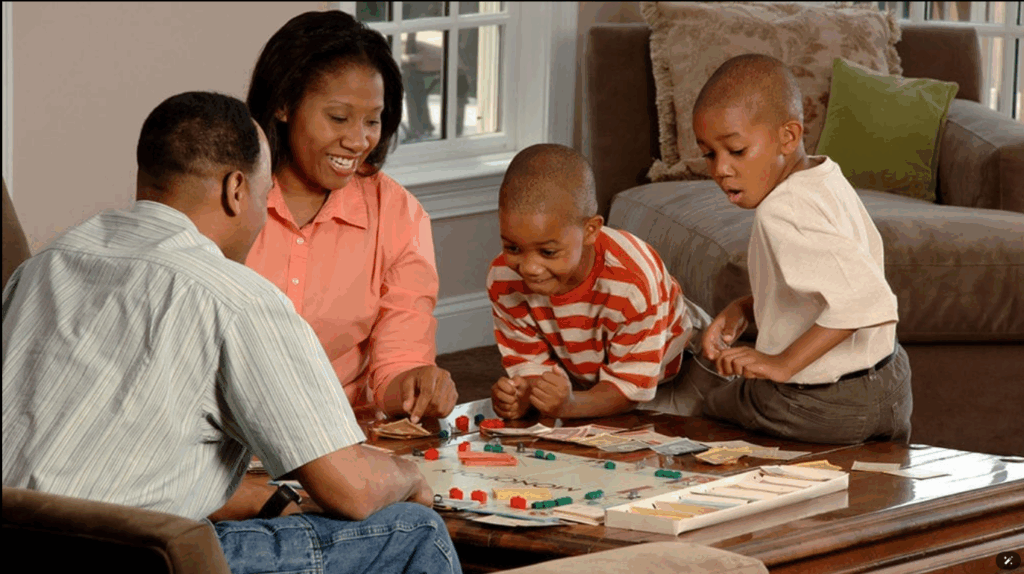
Place 10 to 15 small objects on a tray. Let your child observe them for 30 seconds, then cover the tray with a towel. Ask them to list as many items as they can remember.
Variation: Increase the number of objects to make the game more challenging as they improve.
7. DIY Board Game
Age: 6+
Skills Developed: Planning, critical thinking, creativity
Let your kids create their own board game from scratch. Provide them with cardboard, markers, and game pieces. They can design the path, make up rules, and create challenges or rewards along the way.
Variation: Encourage them to include educational questions or tasks as part of the game rules.
8. Guess the Sound
Age: 3+
Skills Developed: Listening, auditory memory, reasoning
Make or record different everyday sounds (like clapping, knocking, or water pouring). Play each sound for your child and let them guess what it is. This game is excellent for developing listening and reasoning skills.
9. Cooking Math
Age: 5+
Skills Developed: Math, measurement, following instructions
Involve your kids in the kitchen! Let them help with measuring ingredients, counting cups of flour, or adjusting a recipe. Cooking is an enjoyable way to practice real-life math skills.
Variation: Challenge older kids by asking them to double or halve recipes.
10. Geography Puzzle Challenge
Age: 6+
Skills Developed: Geography, spatial reasoning, memory
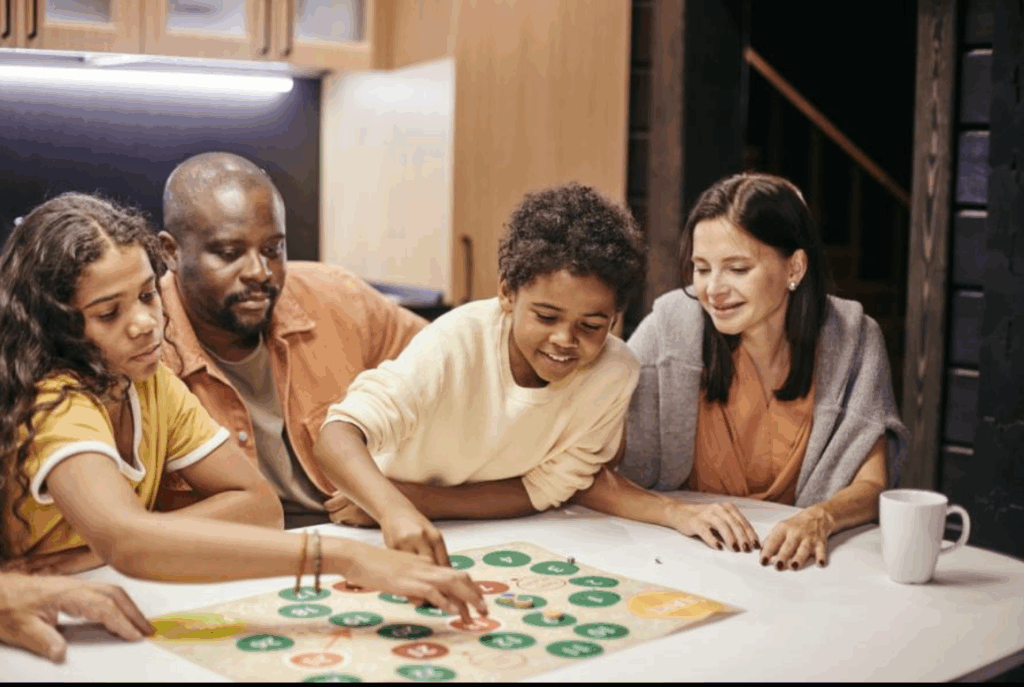
Print out or buy a puzzle map of your country or the world. Time your child to see how quickly they can complete the map, and talk about the different places as they put the pieces together. This activity strengthens geography skills and curiosity about the world.
Why Educational Games Matter
Playing educational games with your children has lasting benefits:
- Improved academic skills: Games help reinforce school subjects in a fun, stress-free way.
- Stronger family bonds: Shared activities strengthen relationships between parents and children.
- Life skills development: Many games help children develop patience, resilience, and teamwork.
Learning doesn’t have to feel like homework—when children are engaged and entertained, they naturally absorb new knowledge.
Final Thoughts: Turning Playtime Into Learning Time
Educational games are a wonderful way to combine playtime with meaningful learning experiences. By adding just a few of these activities into your daily routine, you’re not only helping your child grow academically but also creating happy memories that will last a lifetime.
Choose your favorites from this list, adapt them to your child’s interests and age, and enjoy watching them learn through play.
