One of the most important life skills you can teach your child is responsibility. Responsible children grow into independent, reliable adults who know how to take care of themselves and others. But responsibility isn’t something children just “pick up”—it’s a skill that must be taught through patience, practice, and example.
In this article, we’ll explore how to help children develop responsibility at home, in school, and in their relationships with others.
Why Responsibility Matters for Children
Teaching responsibility to children builds essential character traits that benefit them throughout life, including:
- Accountability: Understanding the connection between actions and consequences.
- Work ethic: Developing a sense of pride in completing tasks.
- Independence: Learning how to manage time, tasks, and commitments.
- Respect for others: Realizing that actions affect the people around them.
The earlier children learn responsibility, the better prepared they’ll be for life’s challenges.

1. Start Early with Simple Tasks
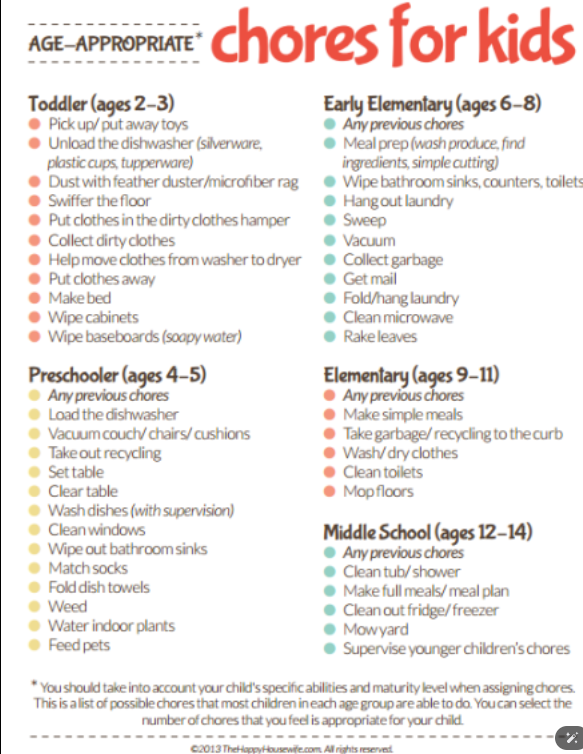
Even toddlers can learn the basics of responsibility by helping with age-appropriate tasks:
- Putting toys away after playing
- Placing dirty clothes in a laundry basket
- Helping set the table for meals
These small jobs teach children that they play an active role in the household and that their contributions matter.
2. Give Children Ownership Over Their Tasks
When children feel ownership of a responsibility, they’re more likely to take it seriously.
- Assign regular chores: Give your child consistent, meaningful tasks suited to their age.
- Let them make decisions: Offer choices within their responsibilities, like deciding what book to read at bedtime or choosing what shirt to wear.
- Follow through consistently: Remind children gently but firmly that tasks must be completed.
Letting them feel responsible for their own contributions builds confidence and pride.
3. Model Responsibility in Daily Life
Children learn best by example. If you consistently demonstrate responsibility in your own actions, your child will naturally follow your lead.
- Be punctual: If you commit to something, follow through.
- Keep promises: Teach your child that being responsible means doing what you say you’ll do.
- Show effort: Let your children see you working hard on household tasks, work projects, or personal goals.
Modeling responsibility provides a real-life framework your child can understand and replicate.
4. Use Positive Reinforcement
Celebrate your child’s efforts to encourage responsible behavior.
- Verbal praise: “Thank you for cleaning your room—I really appreciate that.”
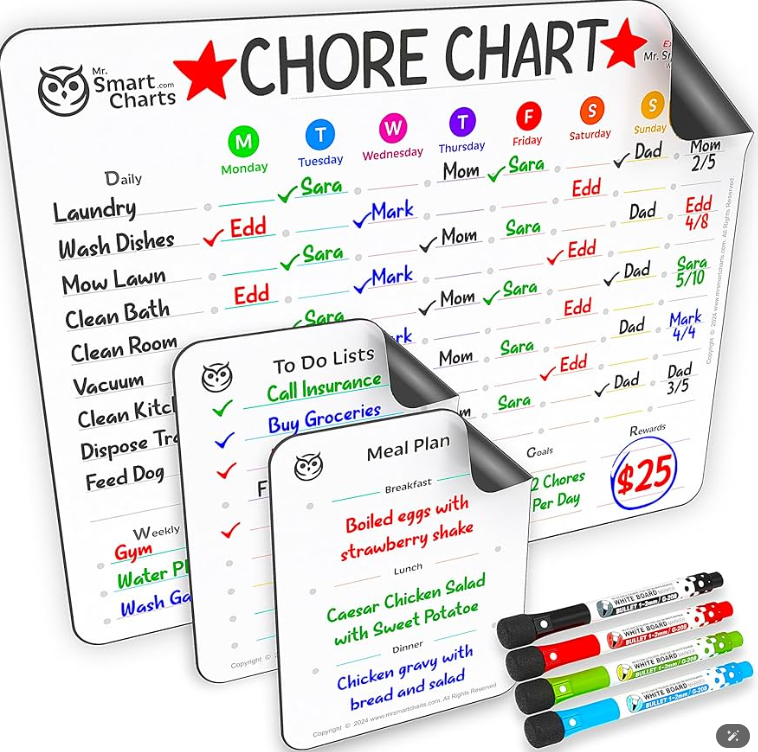
- Reward charts: For younger children, sticker or reward charts help visualize progress.
- Natural rewards: Point out how their responsibility leads to good outcomes, like having more time to play because they finished their homework early.
Positive reinforcement makes children feel valued and helps build good habits.
5. Allow for Natural Consequences
One of the most effective ways to teach responsibility is to let children experience the natural consequences of their actions.
- Forgot homework? Let them explain to the teacher why they don’t have it.
- Didn’t clean up toys? The toys might be off-limits for a short time.
Experiencing the results of their choices teaches children that actions have outcomes, both positive and negative.
6. Set Clear Expectations
Children need to know exactly what is expected of them in order to meet those expectations.
- Be specific: Instead of saying “Be good,” say “Please use kind words with your sister.”
- Create routines: Having set times for chores, homework, or play reduces confusion.
- Use charts or lists: Visual reminders help children stay organized and focused on their responsibilities.
Clear expectations eliminate guesswork and set your child up for success.
7. Teach Financial Responsibility
As children grow older, teaching them about money can deepen their sense of responsibility.
- Allowance: Give a small allowance for completed chores to help teach money management.
- Saving goals: Encourage saving for a toy or special treat.
- Charity: Teach the importance of giving by setting aside a portion of their allowance for donations or gifts for others.
Learning how to manage money early prepares children for responsible financial habits later in life.
8. Encourage Responsibility for Others
Responsibility isn’t just about personal tasks—it’s also about being a good family and community member.
- Caring for pets: Feeding or helping groom a family pet builds empathy and responsibility.
- Helping siblings: Assign older siblings simple tasks to assist younger ones.
- Volunteering: For older children, participating in community projects or helping neighbors teaches responsibility on a broader scale.
Children who understand their role in a larger community grow into more compassionate and socially aware adults.
9. Be Patient with Mistakes
No child becomes fully responsible overnight. There will be setbacks, forgotten tasks, and resistance at times.
- Use mistakes as teaching moments: Talk calmly about what went wrong and how they can improve next time.
- Avoid doing everything for them: Even if it’s easier or faster to do the task yourself, let your child struggle a little—learning comes from experience.
- Stay consistent: Reinforce expectations gently but regularly.
Responsibility is a skill that develops over time with gentle, persistent guidance.
10. Help Children Reflect on Their Progress
Children benefit from pausing to reflect on how far they’ve come.
- Ask questions like: “How did it feel to finish that project by yourself?”
- Celebrate growth: Even small improvements deserve recognition.
- Talk about future goals: “What’s one thing you want to get better at next week?”
Reflection builds self-awareness and motivation to continue improving.
Final Thoughts: Raising Responsible, Capable Kids
Teaching children responsibility is one of the greatest investments you can make in their future. By starting early, modeling good behavior, and providing opportunities for growth, you’re helping your child develop into an independent, dependable, and capable adult.
It takes patience and consistency, but the rewards are lasting. Responsible children become empowered learners, loyal friends, and contributing members of their communities—ready to face life’s challenges with confidence and care.
