Having more than one child is a joy, but it often comes with its own set of challenges—especially when it comes to sibling rivalry. Arguments over toys, space, attention, or even seemingly nothing can erupt at any time, leaving parents feeling exhausted and frustrated.
But peaceful sibling relationships don’t have to be a dream. With patience, guidance, and a few proven strategies, you can help your children build strong, positive relationships that will last a lifetime.
Here’s how to encourage harmony at home and teach your kids the skills they need to get along peacefully.
Why Do Siblings Fight?
Before we explore solutions, it’s important to understand why siblings fight in the first place:
- Competition for attention: Kids often crave parental attention, and when it’s shared, they may act out to get more.
- Different personalities: No two children are alike, and their temperaments can naturally clash.
- Developmental stages: A toddler and a preteen will have very different communication and emotional needs.
- Feeling of unfairness: Perceived favoritism or unequal treatment can lead to jealousy and resentment.
- Learning boundaries: Siblings learn about personal space and respect through trial and error, sometimes resulting in arguments.
Understanding these causes can help you respond with empathy instead of frustration.
1. Avoid Playing Favorites

Even small differences in how children are treated can create deep emotional rifts between siblings.
- Be mindful of comparisons: Avoid phrases like, “Why can’t you be more like your brother?” as this only fuels rivalry.
- Recognize each child’s strengths: Celebrate what makes each child unique, rather than putting them in competition with one another.
- Equal attention: Make intentional one-on-one time with each child, even if it’s just a short chat or a walk together.
Fair doesn’t always mean equal—but it should always feel respectful.
2. Teach Conflict Resolution Skills
Children don’t automatically know how to resolve disagreements. It’s your job to teach them.
- Use “I” statements: Encourage phrases like, “I don’t like when you take my toys,” instead of yelling or hitting.
- Role-play solutions: Practice common situations where conflicts arise and show them alternative ways to respond.
- Guide, don’t solve: When fights happen, resist jumping in with quick solutions. Instead, guide them to find solutions on their own.
The more they practice resolving conflicts peacefully, the more natural it becomes.
3. Set Clear Household Rules
Having consistent, clearly defined rules for behavior helps children know what’s expected of them.
Examples might include:
- No hitting or name-calling.
- Ask before borrowing toys or personal items.
- Respect each other’s personal space.
It’s helpful to write these rules down and place them somewhere visible in the house.
4. Praise Cooperative Behavior
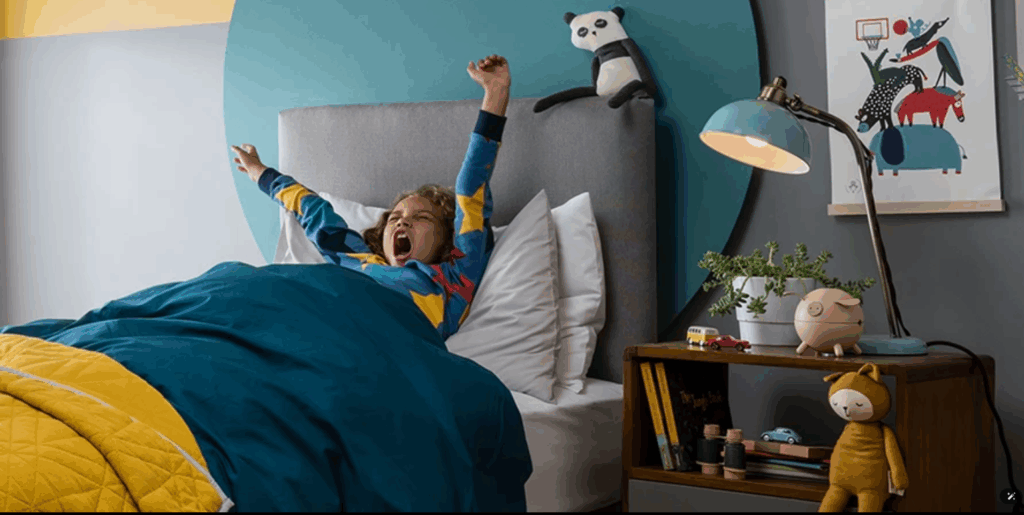
Don’t just correct bad behavior—celebrate the good. When you see your children playing nicely or helping each other, let them know you notice.
- “I love how you two worked together to build that puzzle!”
- “Thank you for sharing your toys with your sister—that was kind.”
Positive reinforcement makes peaceful behavior more likely to happen again.
5. Encourage Teamwork
Help siblings see themselves as part of the same team, not opponents.
- Chore challenges: Give them a joint task with a shared goal, like cleaning a room together with a reward at the end.
- Joint projects: Encourage activities like building with blocks, baking cookies, or creating art together.
- Family games: Play games that require cooperation, like team board games or scavenger hunts.
Working together builds trust and fosters healthy relationships.
6. Give Each Child Personal Space
Even the closest siblings need time apart. Make sure each child has:
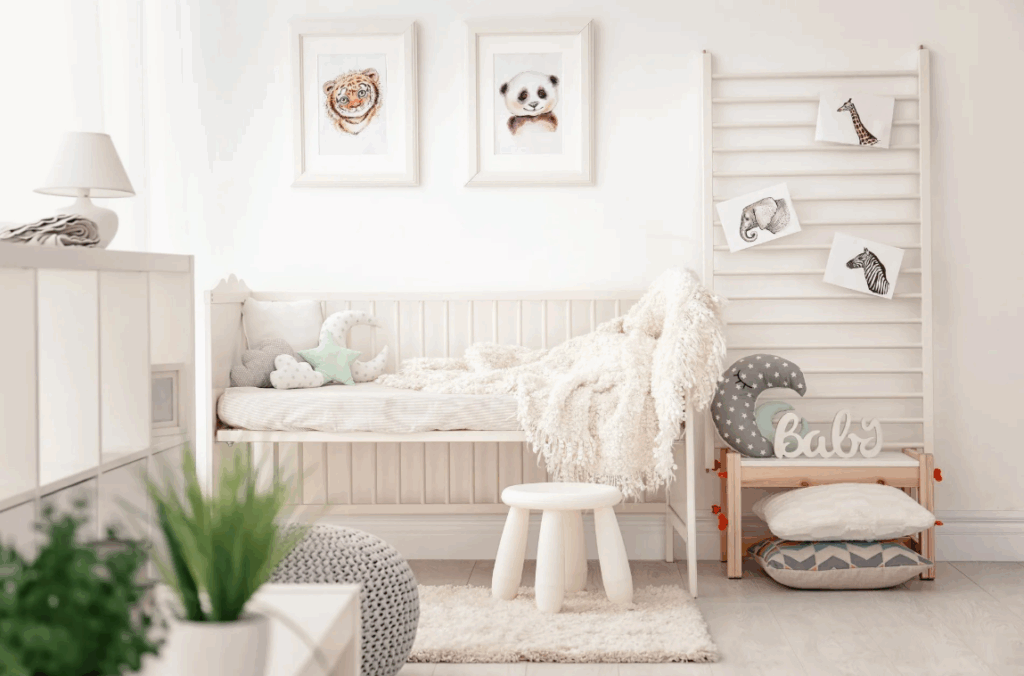
- A special place for personal belongings.
- Opportunities to play alone or with their own friends.
- Respect for privacy: Knock before entering each other’s rooms (if applicable).
Time apart helps prevent tension and allows siblings to appreciate each other more when they’re together.
7. Teach Empathy
One of the most powerful tools for sibling peace is empathy—the ability to understand and share another person’s feelings.
- Talk about feelings: After a disagreement, help each child explain how they felt and why.
- Use books or stories: Choose children’s books where characters learn about empathy, and discuss the story together.
- Model empathy yourself: Demonstrate how to apologize, how to listen, and how to comfort someone who’s upset.
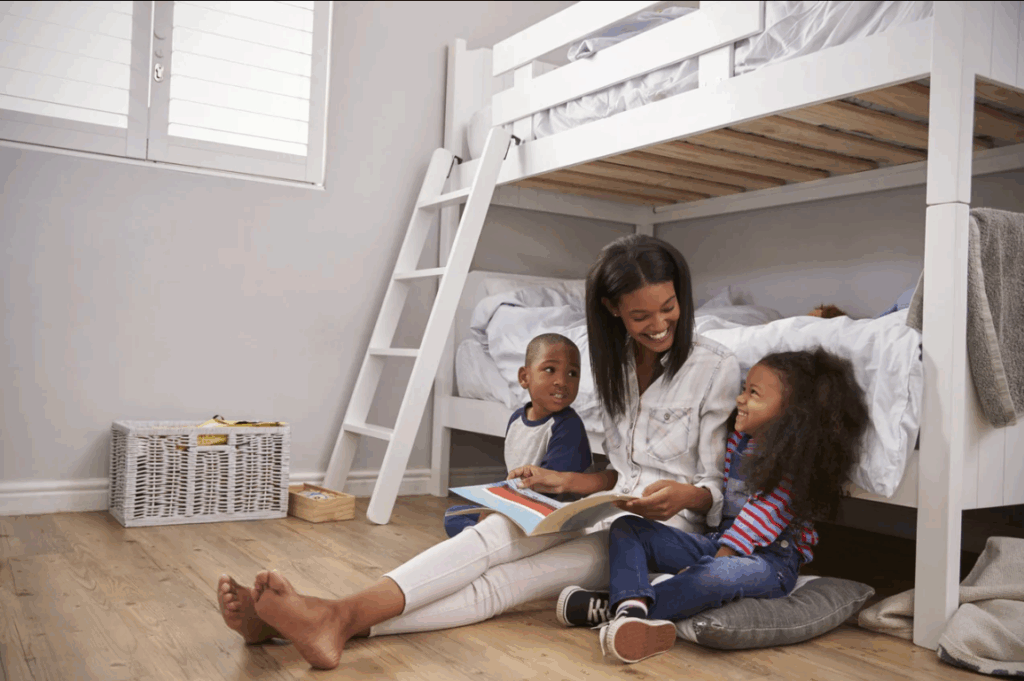
Children who can empathize with each other naturally become more patient and forgiving.
8. Avoid Taking Sides in Arguments
Unless there’s bullying or physical harm involved, try not to play referee in sibling arguments.
- Let them express their sides: Give each child a chance to speak.
- Ask guiding questions: “How can we fix this so that everyone feels okay?”
- Stay neutral: Avoid placing blame unless absolutely necessary.
Your role is to coach, not control.
9. Prepare for Transitions or Life Changes
Major life events—like moving, a new sibling, or starting school—can increase sibling tension.
- Talk ahead of time: Prepare your children by explaining changes in advance.
- Offer extra support: Children may act out more when they’re feeling stressed, and that stress can lead to fights with siblings.
- Normalize feelings: Let them know it’s okay to feel uncertain, but encourage them to lean on each other for support.
Preparing emotionally reduces conflict during difficult transitions.
10. Be Patient and Consistent
No strategy works overnight. Building a peaceful sibling relationship is a long-term effort.
- Stay consistent: Stick to the same strategies even when it’s hard.
- Acknowledge progress: Remind your children how far they’ve come.
- Don’t expect perfection: Occasional disagreements are normal, even in the healthiest sibling relationships.
Final Thoughts: Building Bonds That Last a Lifetime
Helping siblings get along isn’t about stopping every fight—it’s about teaching them the skills they’ll need to build strong, respectful relationships not just with each other, but with friends, classmates, and future colleagues.
By focusing on empathy, fairness, teamwork, and emotional support, you’re giving your children the tools they need to navigate their relationship with love, patience, and understanding.
Start small, stay steady, and remember: you’re not just raising siblings—you’re nurturing future lifelong friends.
