Creating a structured daily routine for preschoolers is one of the best ways to support their emotional well-being, learning, and overall development. Young children thrive on predictability. Knowing what comes next in their day helps reduce anxiety, improve behavior, and foster independence.
But what exactly should a healthy routine for preschoolers look like? And how can busy parents create one that works for their unique family? In this article, we’ll break down how to build a balanced, flexible routine that nurtures your child’s growth and brings more peace to your home.
Why Routines Matter for Preschoolers
Preschool-age children (typically ages 3 to 5) are still learning about the world around them. Daily routines provide:
- Security: Predictable routines help children feel safe and in control.
- Independence: Knowing what comes next empowers children to do tasks by themselves.
- Behavioral Benefits: Routines reduce tantrums and power struggles because expectations are clear.
- Skill Development: Regular activities like brushing teeth, tidying toys, and eating meals teach responsibility and self-care.
A healthy routine strikes the right balance between structured time and free play.
1. Start with a Consistent Wake-Up and Bedtime
A healthy routine begins and ends with regular sleep patterns. Preschoolers typically need 10 to 13 hours of sleep per day, including naps.
- Consistent wake-up: Aim to wake your child around the same time each day, even on weekends.
- Bedtime rituals: Establish calming activities before bed, such as a bath, storytime, or quiet music.
- Limit screens before sleep: Avoid TV, tablets, or phones at least an hour before bedtime, as screen light can disrupt sleep cycles.
Getting enough rest improves mood, behavior, and learning ability.
2. Build Routine Around Meals and Snacks
Children need steady energy throughout the day. Having meals at regular times helps stabilize blood sugar and prevents mood swings.
- Breakfast: Start the day with a nutritious breakfast rich in protein and fiber.
- Snack times: Offer healthy snacks mid-morning and mid-afternoon (like fruit, yogurt, or nuts).
- Family meals: Eating together as a family provides a chance to connect and model healthy eating habits.
Predictable mealtimes also teach children about self-regulation and hunger cues.
3. Include Time for Active Play
Physical activity is essential for preschoolers—not just for physical health but for emotional balance and cognitive development.
- Outdoor play: Whenever possible, let your child play outside in fresh air.
- Indoor movement games: On rainy days, create obstacle courses, play dancing games, or use exercise videos designed for kids.
- Unstructured free play: Give your child plenty of time to choose how they want to play without rigid direction.
Aim for at least 3 hours of active play spread throughout the day, as recommended by pediatric guidelines.
4. Incorporate Quiet or Rest Time
Even if your child no longer naps regularly, quiet time is essential for mental and emotional recharging.
- Reading books together
- Listening to soft music
- Quiet coloring or drawing
Setting aside 30 minutes to an hour for quiet time in the early afternoon helps prevent overstimulation and meltdowns later in the day.
5. Include Learning Activities
Preschool-aged children are naturally curious, making this the perfect time to introduce gentle learning routines.
- Storytime: Reading books builds vocabulary and imagination.
- Educational toys: Simple puzzles, blocks, or matching games sharpen cognitive skills.
- Art and crafts: Drawing, painting, and crafting help develop fine motor skills.
Short, playful “learning moments” sprinkled throughout the day are more effective than long, formal lessons.
6. Establish Clean-Up and Responsibility Habits
Even at a young age, children can learn to take care of their space.
- Toy cleanup: Before moving on to the next activity, have your child help tidy up.
- Personal care: Encourage preschoolers to wash hands before meals and brush their own teeth (with supervision).
- Choice and responsibility: Let them choose between two appropriate options when possible (“Would you like to brush your teeth first or put on pajamas first?”).
These habits build a sense of responsibility and capability.
7. Flexibility Is Key
While consistency is important, it’s equally crucial to remain flexible. Life happens—doctor’s appointments, family trips, unexpected events. The goal is to provide structure while still allowing room for spontaneity.
If something disrupts the routine, gently guide your child back into it the next day.
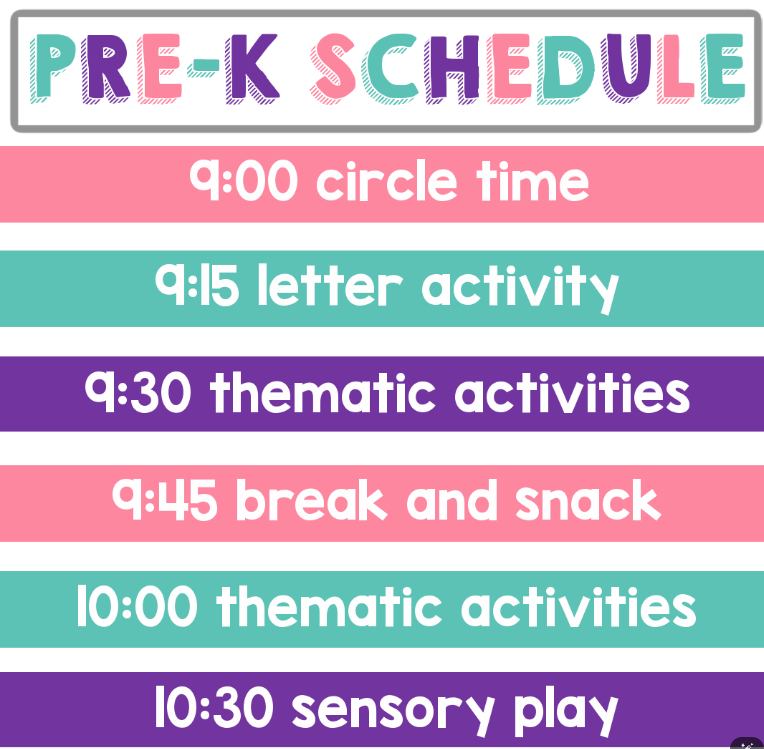
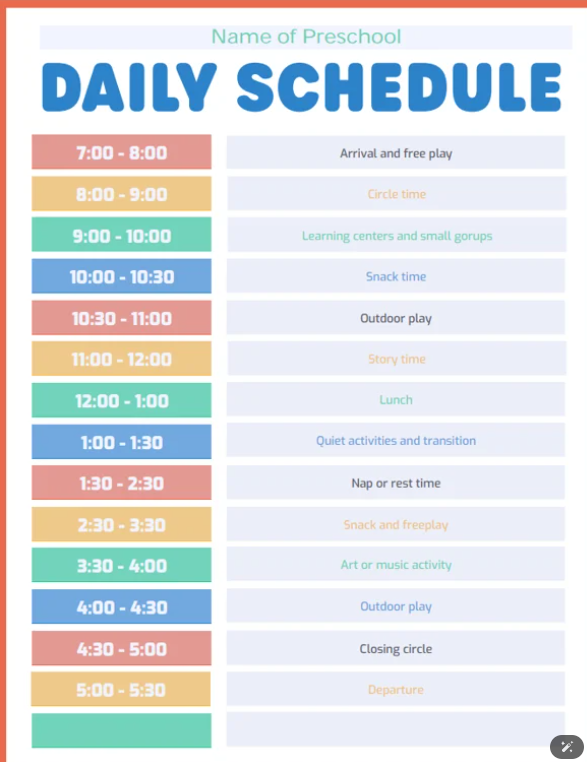
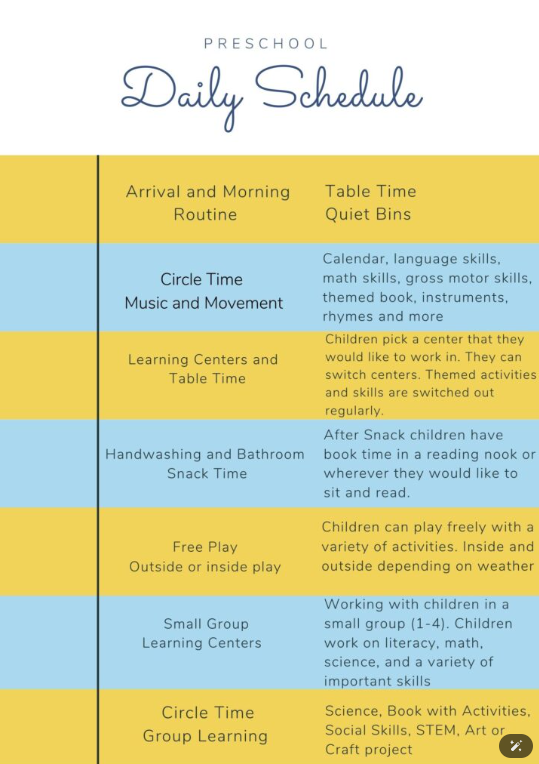
Sample Daily Routine for Preschoolers
Here’s an example of what a healthy routine might look like for a typical preschooler:
| Time | Activity |
|---|---|
| 7:00 AM | Wake up, wash, dress |
| 7:30 AM | Breakfast |
| 8:00 AM | Free play |
| 9:30 AM | Snack time |
| 10:00 AM | Outdoor play/learning time |
| 12:00 PM | Lunch |
| 12:30 PM | Quiet time/nap |
| 2:00 PM | Educational games or crafts |
| 3:30 PM | Snack time |
| 4:00 PM | Family activity/free play |
| 6:00 PM | Dinner |
| 7:00 PM | Bath and bedtime routine |
| 8:00 PM | Bedtime |
Adjust this template based on your child’s needs and family schedule.
Final Thoughts: Creating Peace Through Predictability
A structured daily routine helps preschoolers feel safe, confident, and prepared to explore their world. By combining regular sleep patterns, active play, learning moments, and downtime, you’re setting your child up for success both now and in the future.
Remember that no routine has to be perfect. Start with small, manageable steps, and adapt along the way. Your consistent efforts will create a more peaceful, happy home for your entire family.
